AI Reshapes Marketing Teams by Breaking Silos and Redefining Roles
AI is driving structural changes in marketing organizations by integrating functions and creating hybrid talent needs, according to MarTech.
AI is causing a bigger change in how marketing teams are structured, collaborate, and make decisions than in content creation, according to MarTech.
AI Connecting Disconnected Functions
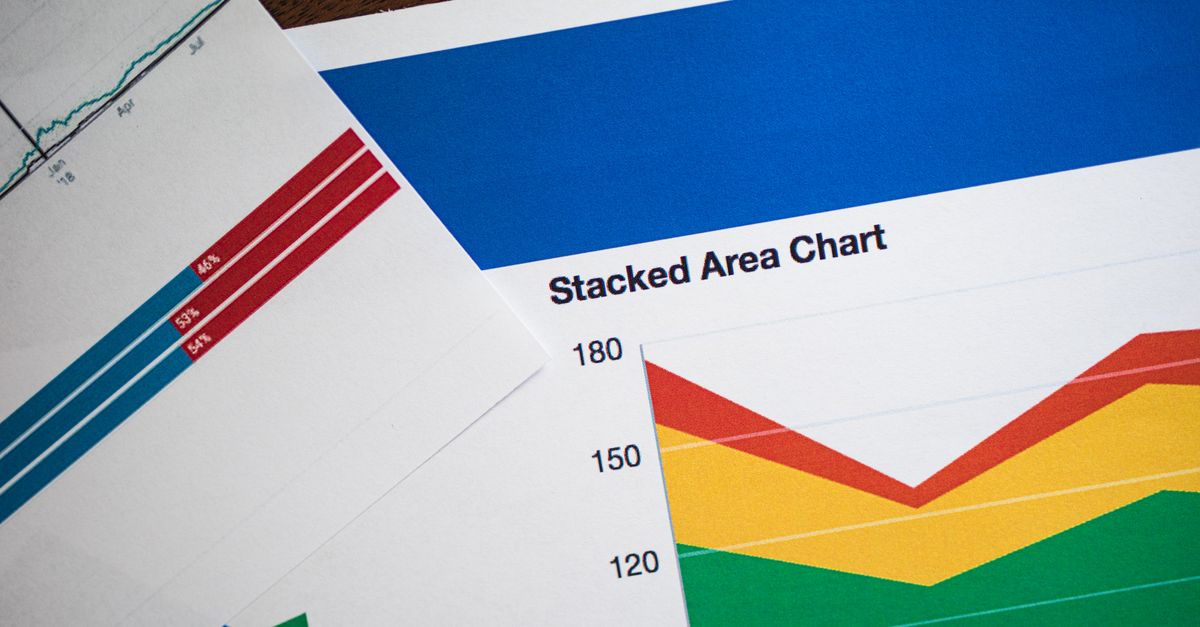
Traditional marketing teams have operated across specialized functions with media buyers focused on campaign performance, creative teams developing messaging and assets, analytics teams measuring results, and brand strategists guiding positioning. This specialization resulted in fragmented data, disconnected workflows, and competing priorities. AI-powered platforms centralize insights, automate reporting, and surface performance trends across channels in real time. Teams access the same information simultaneously, creating a shared understanding of campaign performance and customer behavior. Creative teams can see how messaging is resonating. This shared visibility enables faster decision-making and more productive collaboration.
Shift to Intelligence-Driven Organizations
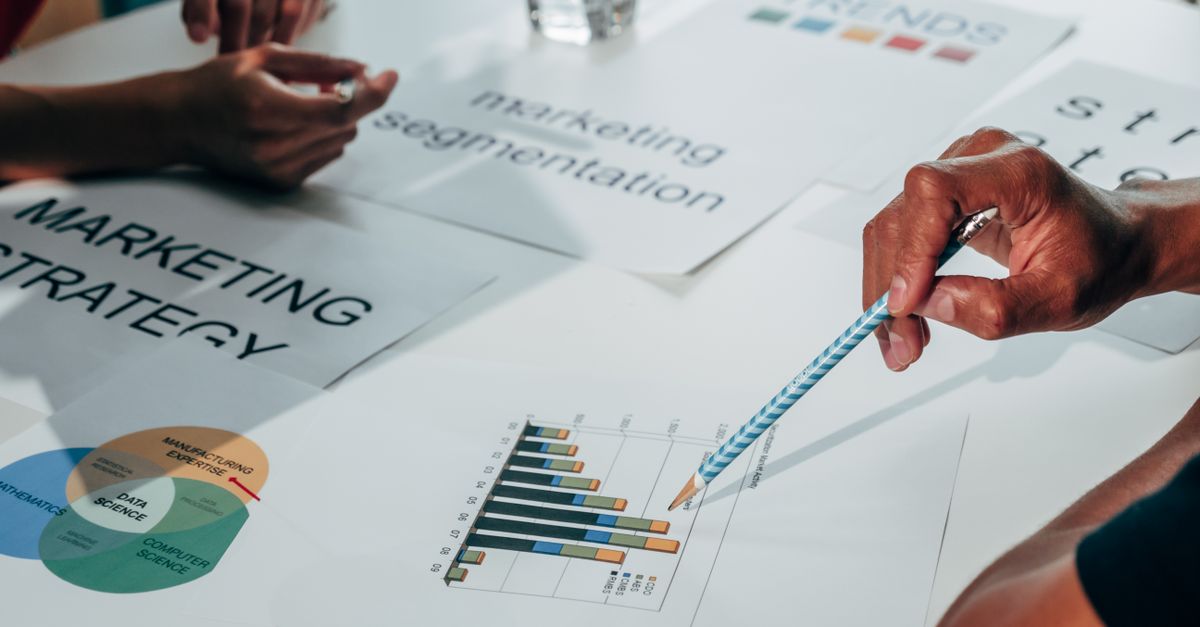
As AI becomes embedded across every stage of the marketing lifecycle, traditional organizational silos disappear. Creative, media, analytics, strategy, data science, and customer experience teams operate as integrated cross-functional teams connected by shared data, real-time insights, and AI-driven intelligence. Marketing organizations evolve from execution-focused teams into intelligence-driven organizations. This evolution requires new operating models, stronger cross-disciplinary collaboration, and a workforce equipped with analytical thinking, AI fluency, and strategic decision-making skills.
Demand for Hybrid Marketing Talent
The marketer of the future needs to understand how AI tools influence planning, measurement, and decision-making. Data professionals need stronger business and marketing acumen. Creative teams benefit from greater familiarity with performance insights and analytics. This convergence creates a need for hybrid talent who operate across disciplines while collaborating effectively with both human and AI-powered systems. Organizations that invest in upskilling their workforce will be better positioned to capitalize on AI's potential.
Redesigning Operating Models
The most successful organizations create AI-enabled workflows that connect creative development, media investment, measurement, attribution, forecasting, and optimization into a continuous cycle of learning and improvement, according to MarTech. They empower cross-functional teams with real-time intelligence while ensuring human expertise remains at the center of strategic decision-making, relationship-building, and brand stewardship. Success depends on how effectively agencies and brands redesign their operating models to enable these changes.