Martech Stack Design Focuses on Brand Consistency Tools
B2B organizations using 12 to 20 martech tools still face brand drift, with fewer than 10% maintaining cohesiveness across portfolios.
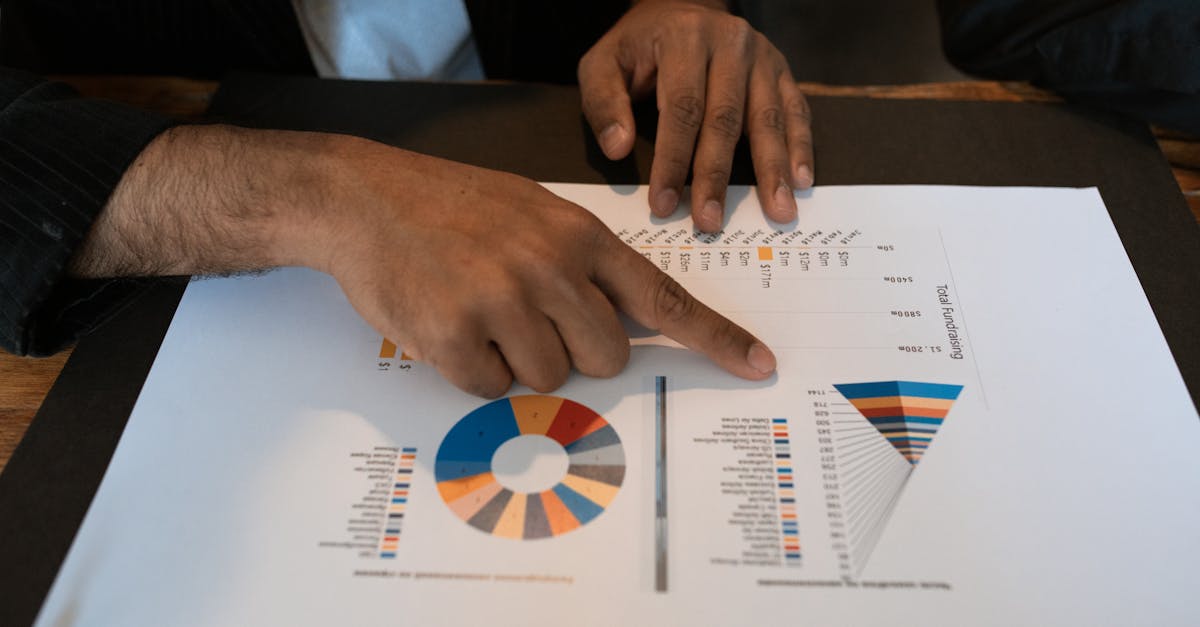
Most B2B marketing teams manage between 12 and 20 martech tools yet fewer than 10% of brands sustain strong brand cohesiveness across product and channel portfolios according to MarTech. The core issue is that tools rarely connect to deliver consistent output across campaigns, sales enablement, partner content, and social media.
Strategy Before Tool Selection
Teams are advised to begin with a documented framework rather than adding platforms. David Aaker’s brand equity model, covering loyalty, awareness, perceived quality, brand associations, and proprietary assets, provides the structure. Platforms such as Notion, Miro, and Lucidchart support this stage by documenting positioning, messaging hierarchies, and customer journeys.
Digital Asset Management as Core Infrastructure
Digital asset management separates functional stacks from disconnected applications. Unlike Google Drive or Dropbox, DAM systems supply approval workflows, permission controls, version management, design templating, and shared brand guidelines. Consistent branding has been shown to increase revenue by 10–20%, and DAM supplies the single approved library that removes drift as organizations scale according to MarTech. Recent DAM updates apply AI to content discovery, metadata tagging, and natural language search.
Execution Tools That Enforce Standards
Design platforms translate strategy into output while limiting deviation. Adobe Creative Cloud suits professional creative teams, Figma supports collaborative UI work, and Canva supplies guardrails for non-designers. Brand templating features in these tools or directly inside the DAM enforce guidelines and capture usage data. Distribution platforms including Hootsuite, Sprout Social, and HubSpot coordinate publishing across social, email, and owned channels when they pull assets from the DAM rather than local desktops. Content and SEO tools such as SEMrush and Ahrefs complete the layer by building brand authority in search results.
Integration Requirements
The stack functions only when execution tools reference the same current asset library. This connection prevents use of outdated logos, messaging, or templates across every channel and partner touchpoint according to MarTech.