Martech Stacks Struggle with Brand Consistency at Scale
Average B2B firms run 12-20 martech tools yet fewer than 10% maintain brand cohesiveness, according to MarTech.
Most marketing teams manage between 12 and 20 martech tools yet fewer than 10% of brands sustain strong brand cohesiveness across product and channel portfolios, according to MarTech. Brand elements drift across campaigns, sales enablement, partner content, and social media when tools do not share a single approved asset source.
Strategy Before Tools
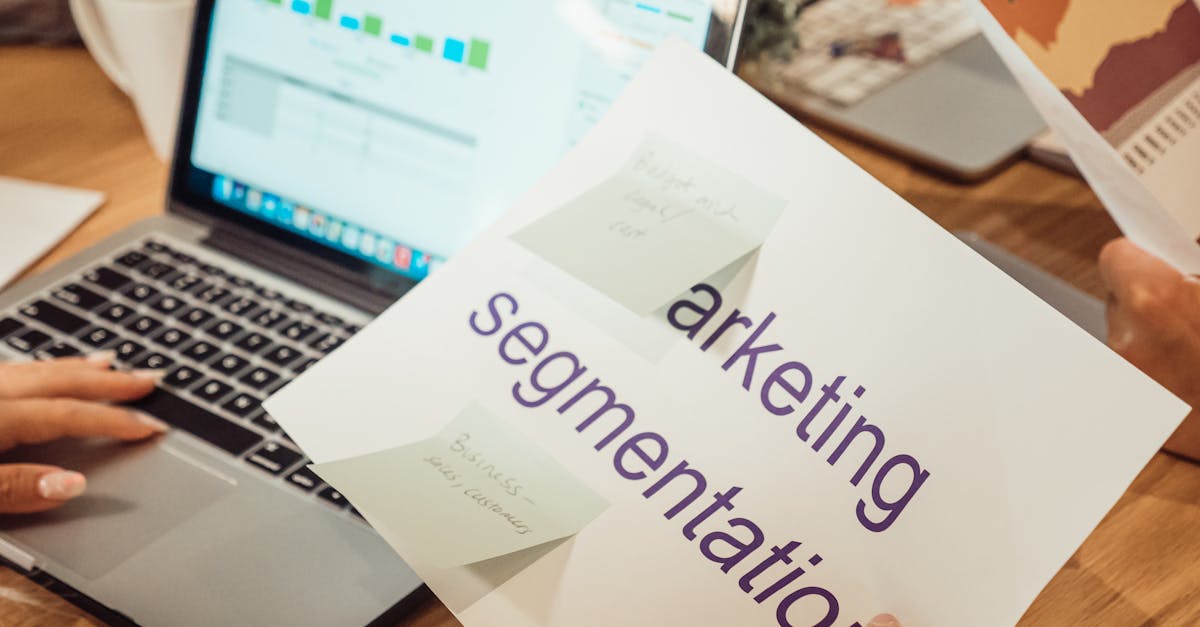
Teams first document positioning, messaging hierarchies, and customer journeys with platforms such as Notion, Miro, and Lucidchart. These tools create the shared foundation required for consistent downstream execution. Without documented positioning, design and content teams operate without reference standards.
Digital Asset Management Core
Digital asset management platforms centrally organize, manage, deliver, and govern brand assets through approval workflows, permission controls, version management, design templating, and brand guidelines. Cloud storage services such as Google Drive or Dropbox lack these controls. Consistent branding increases revenue by 10-20%, and DAM supplies the infrastructure that makes consistency possible at scale. Recent DAM systems add AI features that accelerate content discovery, automate metadata tagging, and support natural language search.
Execution and Distribution Tools
Design teams select Adobe Creative Cloud for professional work, Figma for collaborative UI projects, or Canva for non-designers who require guardrails. Brand templates inside the DAM capture usage analytics while enforcing standards. Social and content platforms including Hootsuite, Sprout Social, and HubSpot pull approved assets directly from the DAM for coordinated publishing across channels. Content and SEO tools such as SEMrush and Ahrefs ensure brand voice builds authority in search while GEO considerations require accurate brand information in AI summaries, according to MarTech.