Agile Marketing Teams Outpace Others in AI Adoption
Marketing organizations with autonomy and cross-functional structures deliver campaigns faster using AI tools, per MarTech analysis.
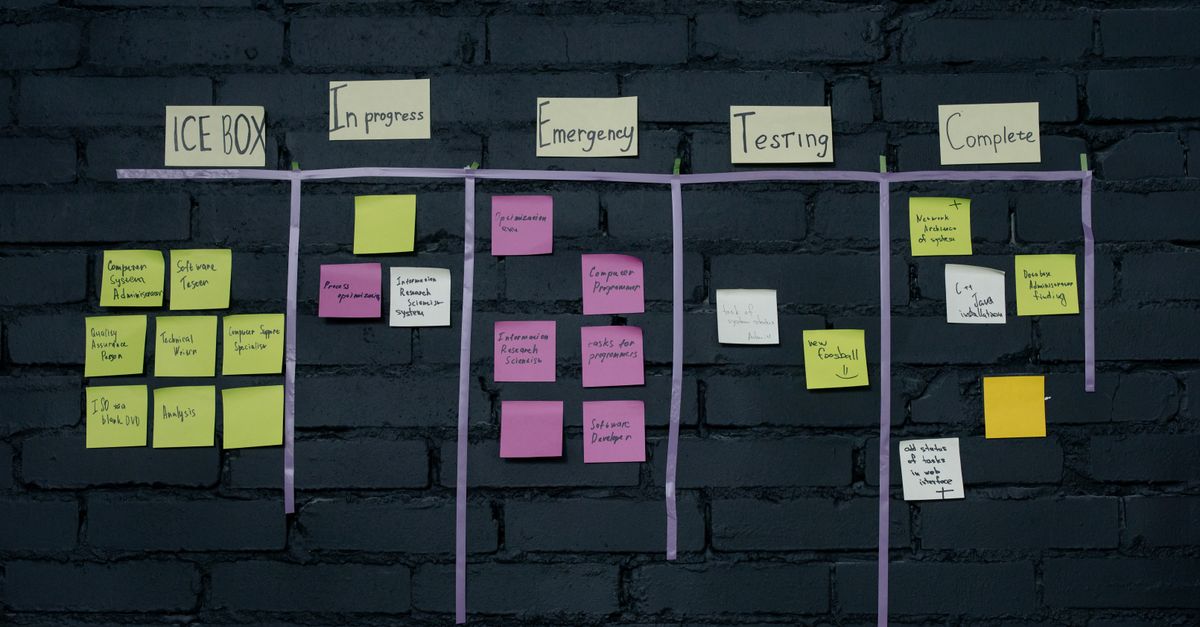
Marketing organizations equipped with autonomous, cross-functional teams deliver more campaigns after adopting AI tools without increasing headcount, according to MarTech.
Operating Model Limits AI Results
Teams that purchased AI tools often see no change in campaign speed because the issue is organizational structure rather than technology. Marketing departments have pursued agility for 10-15 years, yet some remain limited to surface-level practices. In 2026, AI has increased required speed, and only agile-mature organizations hold the necessary capabilities of experimentation, feedback, adaptability, collaboration, and decentralized decision-making.
Organizations face slow approval processes, functional silos, rigid annual planning, fear of experimentation, limited team autonomy, difficulty changing workflows, and technology decisions disconnected from daily work. These traits prevent teams from handling AI-enabled rapid execution.
Contrasting Outcomes with Identical Tools
Two organizations that adopted the same AI tools achieved different results based on structure. Harry's Hats operates in product-focused teams that include a product marketer, designer, copywriter, developer, and marketing coordinator. Each team holds defined goals, a prioritization system, and autonomy to create and deliver campaigns. After implementation, the teams increased output to five or six campaigns per week.
Insomnia Insurance maintains the same marketing team size but uses functional silos. Work passes sequentially between copywriters, designers, and overloaded developers, followed by three or four review rounds. Reviewer absences further extend timelines, resulting in months-long delivery despite AI capabilities that produce work in minutes, according to MarTech.
Actions to Increase Agility
Leaders can begin by mapping workflows where AI can remove friction instead of selecting tools first. They can also identify decisions teams may make without executive escalation. These steps increase independent delivery speed and align operations with AI pace, according to MarTech.