Demand Gen Report on Checkout Friction in B2B Deals
Demand Gen Report examines how friction in pricing, checkout, and buyer experiences is causing B2B deal abandonment, based on industry projections and reports.
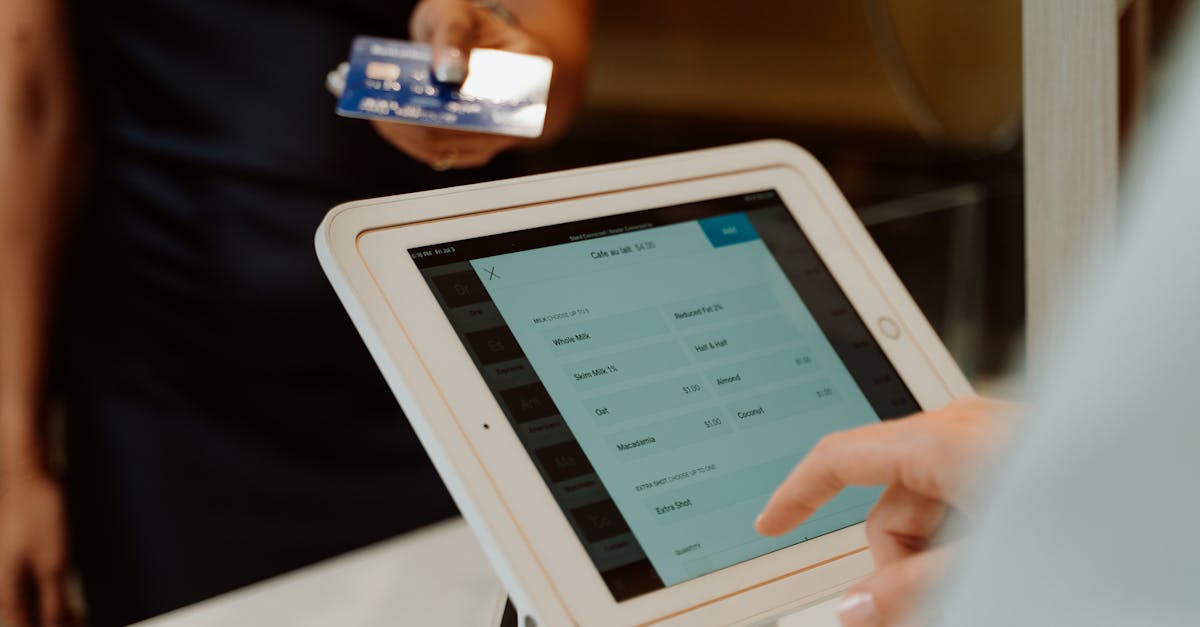
B2B Marketers Face Conversion Challenges from Checkout Friction
According to Demand Gen Report, B2B marketers have traditionally viewed conversion as a single event, such as clicking a 'Buy Now' button or handing off to sales, but this overlooks the broader evaluation process where buyers abandon deals due to issues like unclear pricing, slow pages, mandatory account creation, limited payment options, and procurement friction. Today’s buyers abandon transactions when these elements undermine confidence, as detailed in the report. As e-commerce expectations from consumer markets increasingly influence B2B, this shift highlights the need for seamless digital experiences, a widely-known trend in digital sales.
Shifting Buyer Behavior in B2B Transactions
Forrester projects that more than half of large B2B transactions exceeding $1 million will soon occur through digital self-service channels, reflecting a rapid change in buyer preferences. Gartner reports that 61% of buyers prefer a rep-free purchasing experience and 73% actively avoid vendors with irrelevant outreach, emphasizing how friction in digital interactions can derail deals. These insights from the report underscore the growing demand for buyer-controlled processes.
The Role of Speed and Clarity in Conversion
Conversion begins when buyers evaluate pricing, and if pages are slow or totals shift unexpectedly, confidence erodes, according to Demand Gen Report. The report advises treating pricing and checkout surfaces like product service level objectives, aiming for 95% of requests to load in under 2.5 seconds, based on insights like Deloitte's correlation between small delays and funnel drop-offs. Clarity requires upfront details such as base price, usage tiers, overages, implementation estimates, required add-ons, contract length, payment options, and renewal mechanics, using tools like comparison tables and calculators to prevent revenue leaks in self-serve channels.
Designing Checkout for Enterprise Needs
A modern B2B checkout must support payment rails like corporate cards, ACH/wire transfers, invoices with net terms, and faster-payments options to align with digitized treasury processes, as outlined in the report. Procurement readiness involves one-click access to vendor onboarding, tax information collection, and documents like MSAs, DPAs, and SLAs, while marketplace integration with AWS, Azure, or GCP can accelerate deals through existing commitments. The report highlights common errors such as missing payment methods or weak validations, recommending audits similar to product quality checks, and notes that identity flows like passkeys are accelerating in enterprise adoption to reduce friction in sign-up, sign-in, and seat provisioning.
A 90-Day Playbook for Enhancing Conversion
The report provides a 90-day playbook starting with instrumenting the full journey from pricing to checkout and running a QA against a public checklist for issues like missing payment rails. In weeks 1-2, prioritize known defects and update pricing pages with plain-English sections and downloadable quotes, according to Demand Gen Report. Weeks 3-6 involve further enhancements, though the excerpt cuts off, indicating a structured approach to lift B2B conversion through ongoing monitoring of latency goals and conversion defects.